Net Metering Guide: Solar Credits, Net Billing, and Savings
Understand how net metering, net billing, export credits, fixed charges, and true-up rules affect solar savings, payback, and battery value.
Solar intelligence
Browse SolarPel hub guides for solar ROI, system sizing, costs, incentives, batteries, panels, inverters, and net metering.
10 guides
Start here
The best planning path is simple: understand your monthly energy use, estimate system size, compare payback assumptions, then decide whether battery backup belongs in the project scope.

Understand how net metering, net billing, export credits, fixed charges, and true-up rules affect solar savings, payback, and battery value.

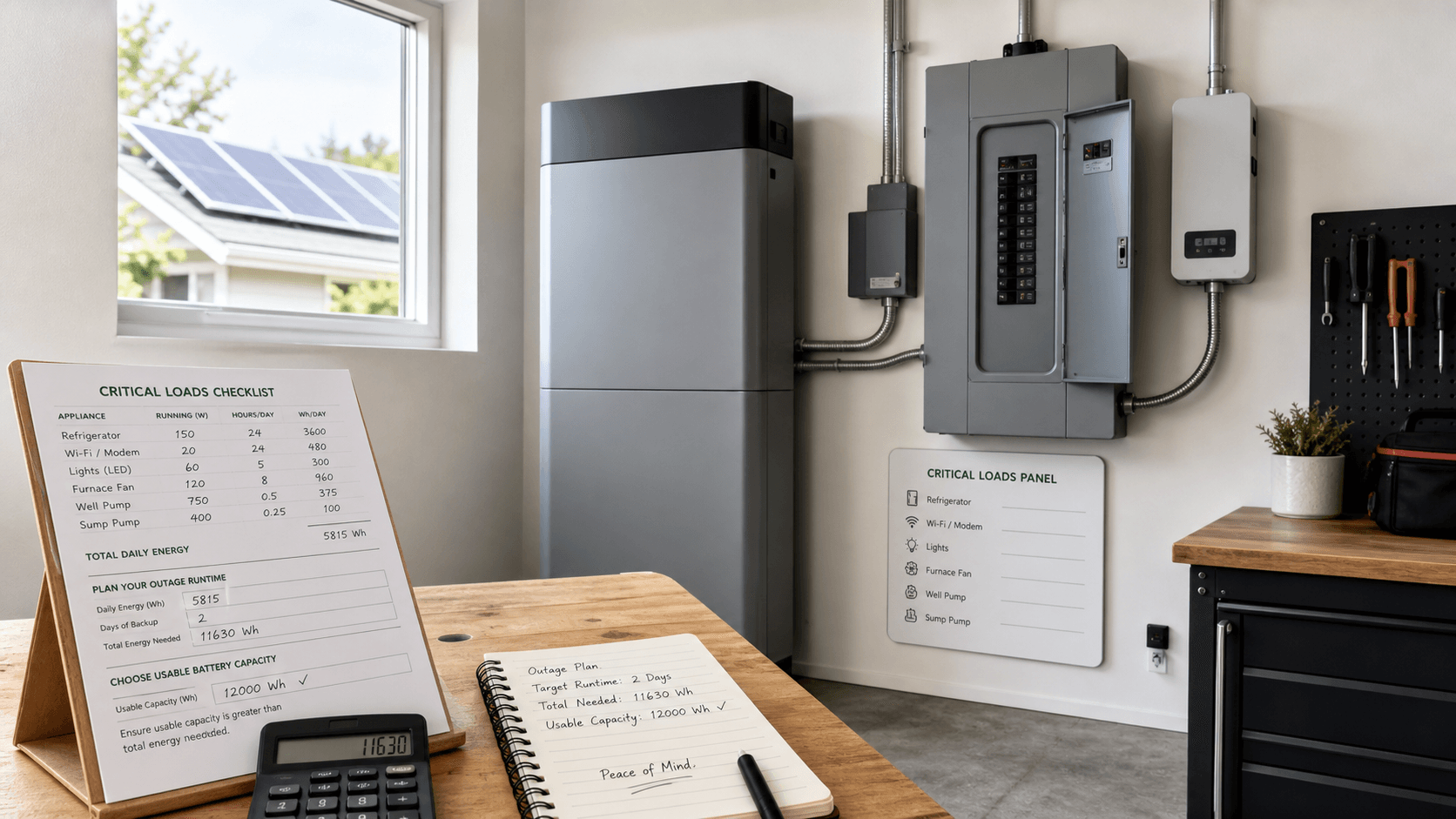
Understand solar battery capacity, power output, critical-load backup, whole-home backup, inverter compatibility, and battery economics.

Compare solar batteries by backup goal, usable capacity, kW output, critical loads, inverter compatibility, warranty terms, and quote assumptions.

Learn how to compare solar quotes by cash price, cost per watt, net cost, incentives, financing, batteries, electrical work, and production assumptions.

Learn how solar tax credits, rebates, utility programs, ownership models, and documentation affect net cost, payback, and quote assumptions.

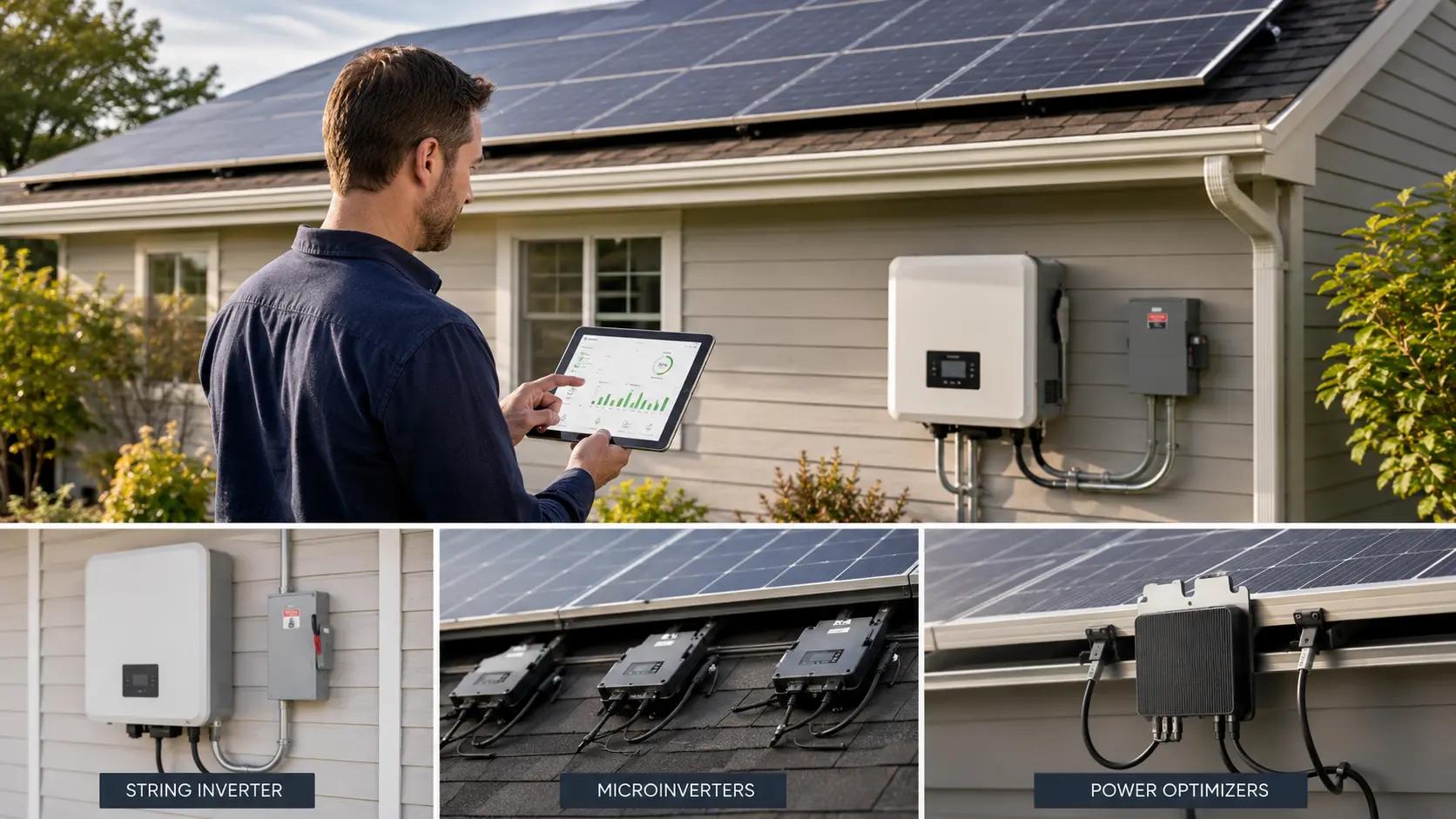
Compare solar inverter types, shade handling, clipping, monitoring, battery compatibility, serviceability, and quote questions.

Compare solar panels by wattage, efficiency, roof fit, degradation, warranty coverage, inverter design, and expected annual production.

Learn how to calculate solar payback period from net system cost, annual bill savings, export credits, incentives, financing, and battery assumptions.

Learn how to estimate solar ROI with net cost, annual bill savings, export-credit assumptions, financing, batteries, degradation, and conservative payback scenarios.

Learn how to size a home solar system from monthly kWh use, peak sun hours, roof constraints, panel wattage, shading, future loads, and quote assumptions.
Guide questions
Start with your electricity usage, then read the system sizing and payback guides before comparing installer quotes. If outages matter to you, add the battery guide after estimating your normal solar system size.
Solar guides explain the planning logic and assumptions. Solar calculators turn those assumptions into estimates for energy use, panel count, battery size, payback, and ROI.
No. SolarPel guides are educational planning resources. Final system design, incentives, financing, permitting, and electrical work should be verified with qualified local professionals.
Solar rules and costs change over time, so SolarPel content is reviewed when incentives, utility policies, equipment assumptions, or calculator methodology need updates.