Solar Panel Maintenance Checklist: 12 Things Homeowners Should Inspect
Use this solar panel maintenance checklist to monitor production, inspect visible issues, and know when a homeowner should call the installer.
A solar maintenance checklist should be simple enough to use, but detailed enough to catch production problems before they become expensive. Most homeowners do not need to climb on the roof. The useful work is watching production, checking visible issues from the ground, and knowing when to call the installer.
Monthly checks
- Open the monitoring app and compare production against similar recent weeks with similar weather.
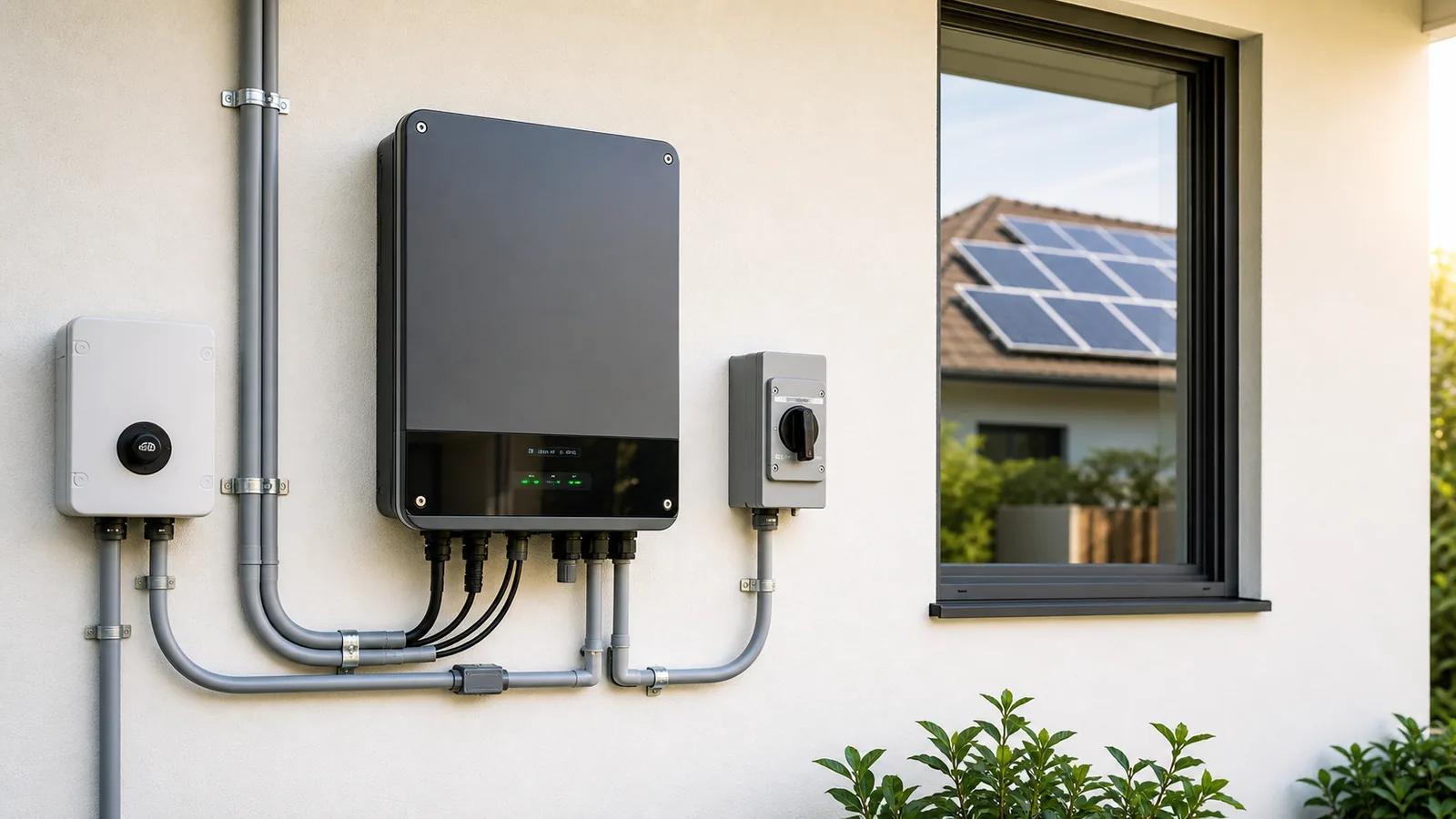
- Look for sudden production drops, offline inverter alerts, or missing panel-level data.
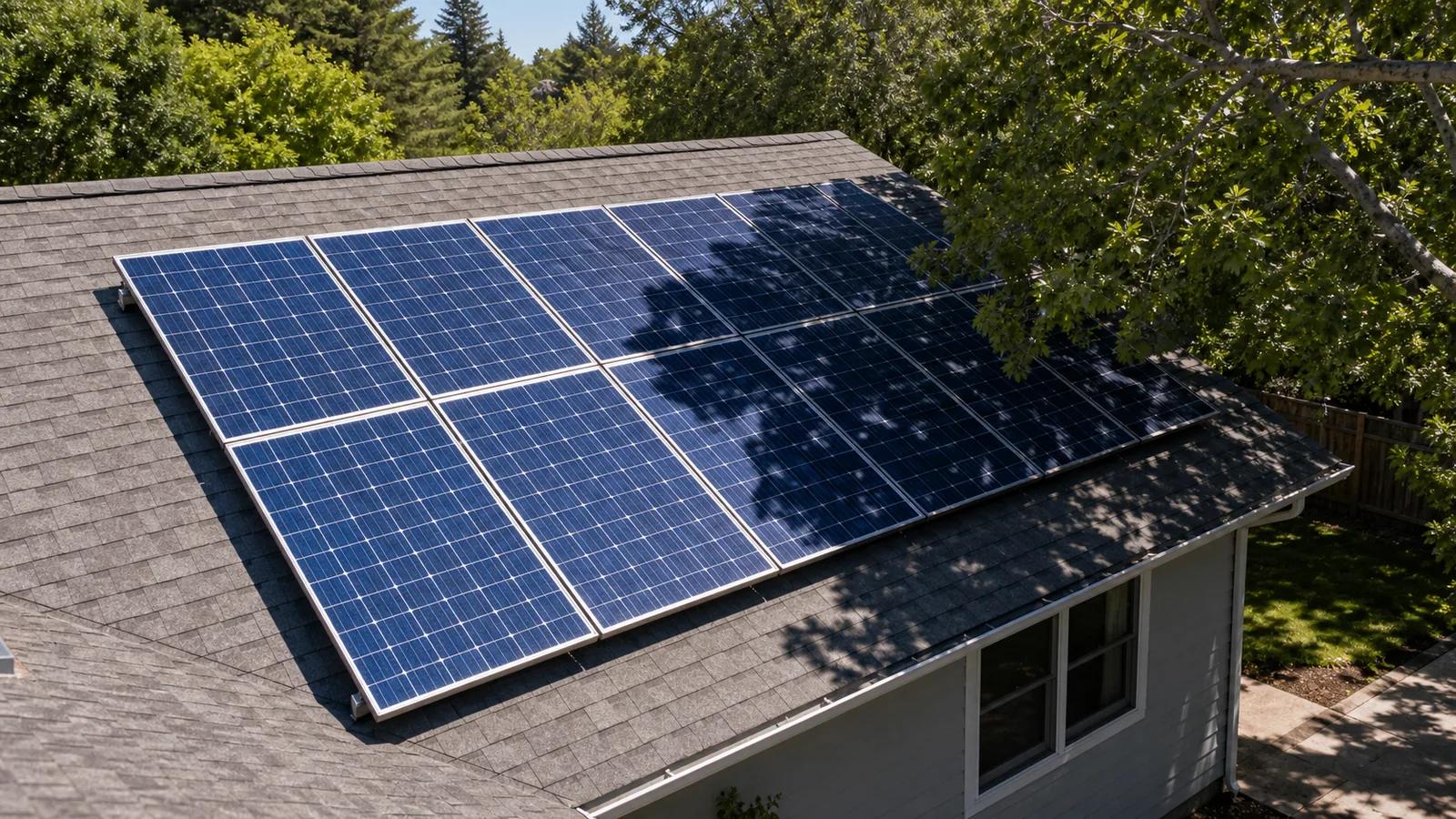
- Check that tree growth, new construction, or debris has not created new shade.
- Look from the ground for cracked glass, loose visible wiring, or obvious animal damage.
Seasonal checks
A few seasonal checks can prevent confusion. Spring pollen, summer dust, fall leaves, and winter snow can all change production. One low-production day is normal. A pattern across clear days deserves attention.
- Compare this month with the same month last year instead of comparing winter to summer.
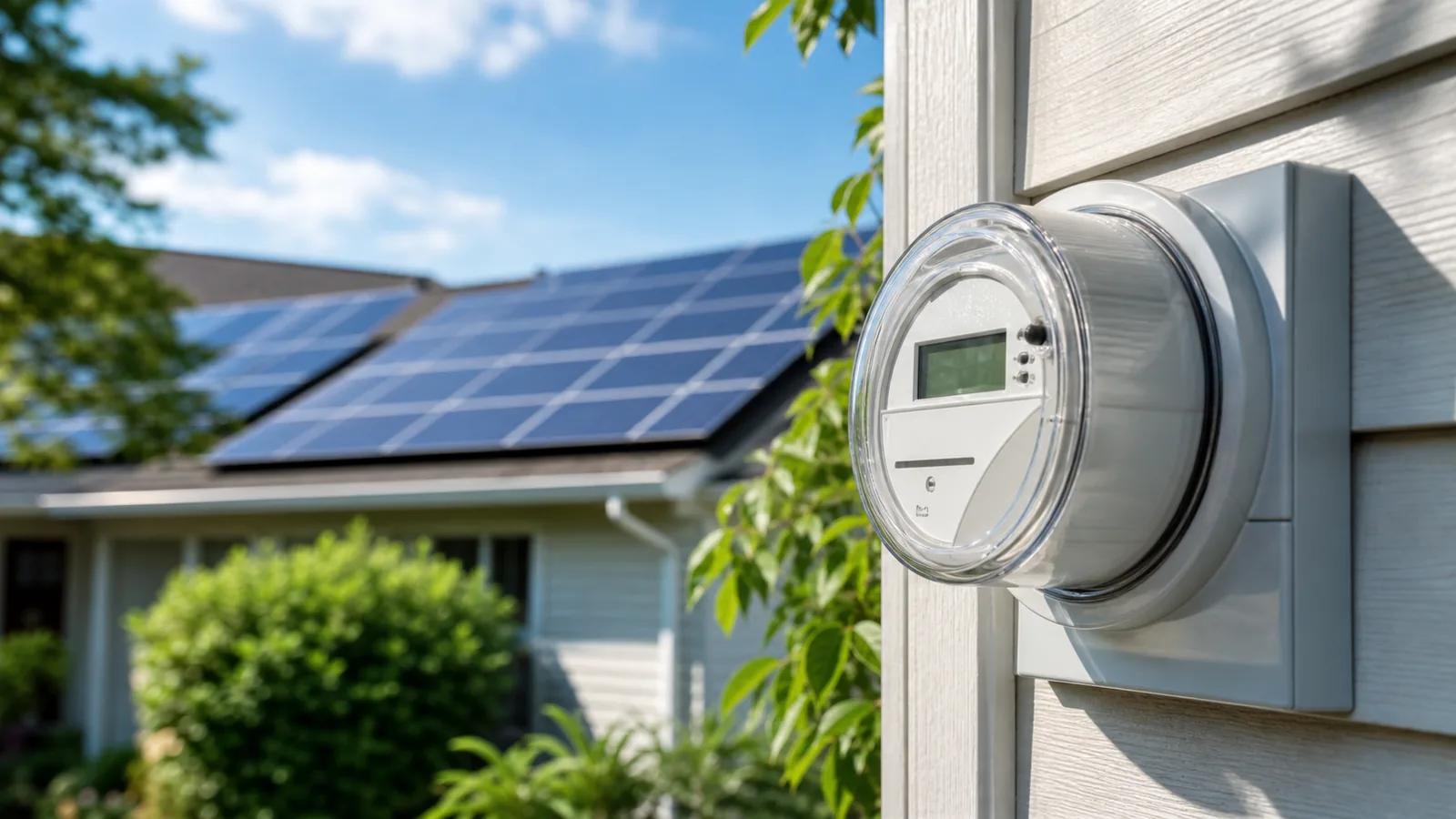
- Inspect the utility bill and make sure exported solar credits appear as expected.
- Review roof drainage and gutters so water is not being directed toward equipment.
- Keep photos of visible roof equipment after storms for future comparison.
When cleaning makes sense
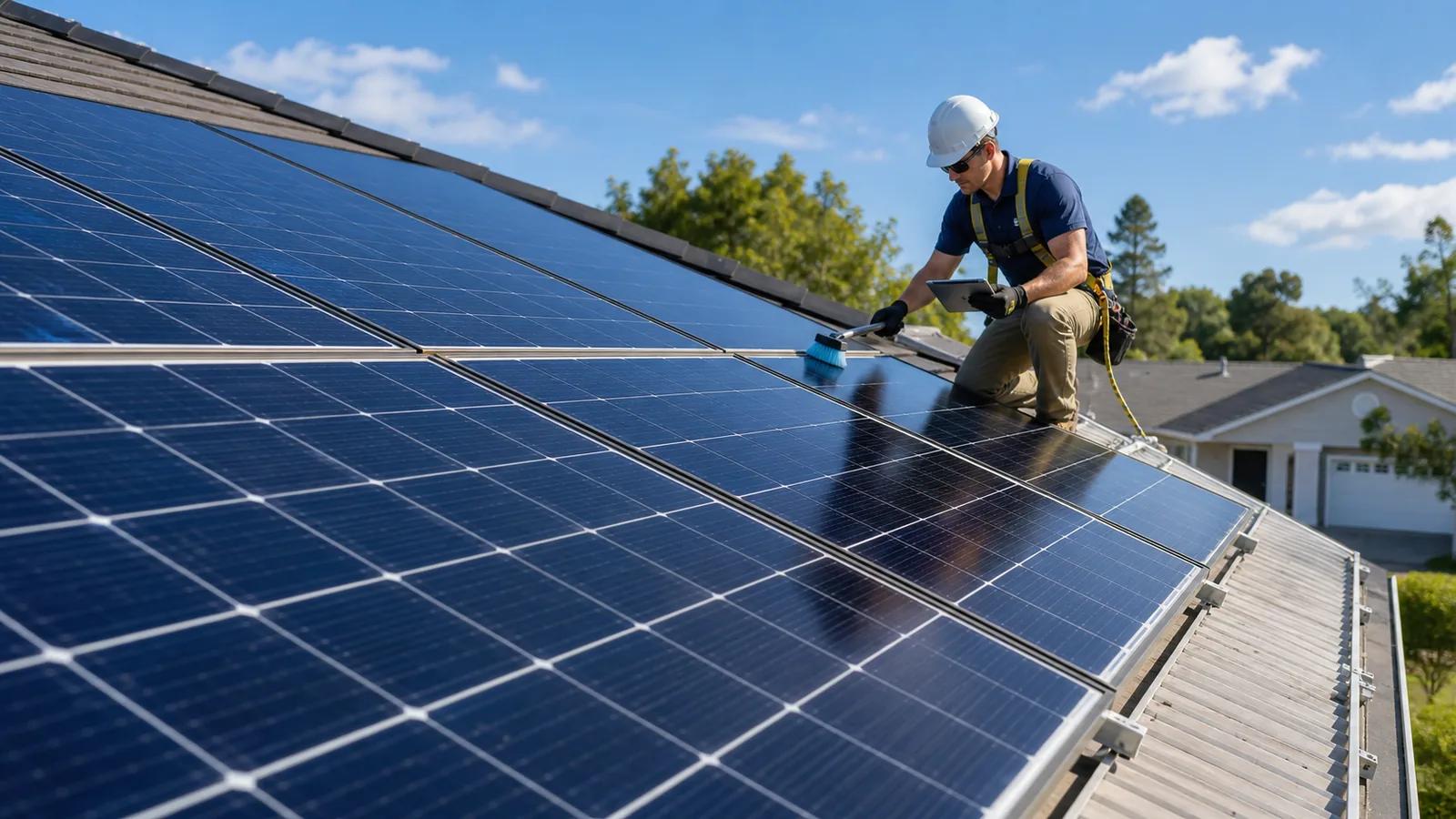
Rain handles many systems well, but cleaning can help in dusty areas, near farms, after wildfire smoke, or where birds regularly sit above the array. Avoid abrasive tools and pressure washing unless the installer approves the method.
If production still looks low after basic checks, use the Panel Estimator to compare expected production assumptions with the system size in your proposal.
Practical next steps for homeowners
Keep a small maintenance record. It can be as simple as a note on your phone with monthly production screenshots, utility bill credits, storm dates, and any installer service notes. That record helps separate real system issues from weather variation.
Warning signs to document
- A sudden inverter or monitoring outage that does not clear after normal reconnection steps.
- Repeated clear-day production that is far below similar months from the previous year.
- Visible broken glass, loose conduit, animal damage, or water intrusion near equipment.
- Utility bills that stop showing expected solar credits after interconnection is complete.
Before calling the installer
Collect the system size, inverter model, monitoring screenshots, recent bills, and photos taken safely from the ground. A clear problem report helps the installer troubleshoot faster and avoids vague service calls.
If the issue is production expectation rather than visible damage, compare the system against a conservative estimate in the Panel Estimator.
Article FAQ
Common questions
Do solar panels need regular cleaning?
Many systems perform well with rain cleaning, but dust, pollen, snow, ash, or bird activity can justify occasional inspection or professional cleaning.
How often should I check solar production?
A monthly monitoring check is enough for most homeowners. After storms or long cloudy periods, compare clear days before assuming there is a system problem.
Should I climb on the roof to inspect panels?
No. Most homeowners should inspect from the ground and call the installer for roof-level work, electrical checks, or damaged equipment.
Written by
Firoz Ahmed
SolarPel Editorial Lead
Firoz Ahmed writes SolarPel's solar calculators, planning guides, and technical explainers with a focus on practical home-energy decisions, transparent assumptions, and source-backed solar research.