Solar Battery Size Guide: How to Plan Critical Home Loads
Size a solar battery around critical loads, outage duration, usable capacity, inverter power, and solar recharge.
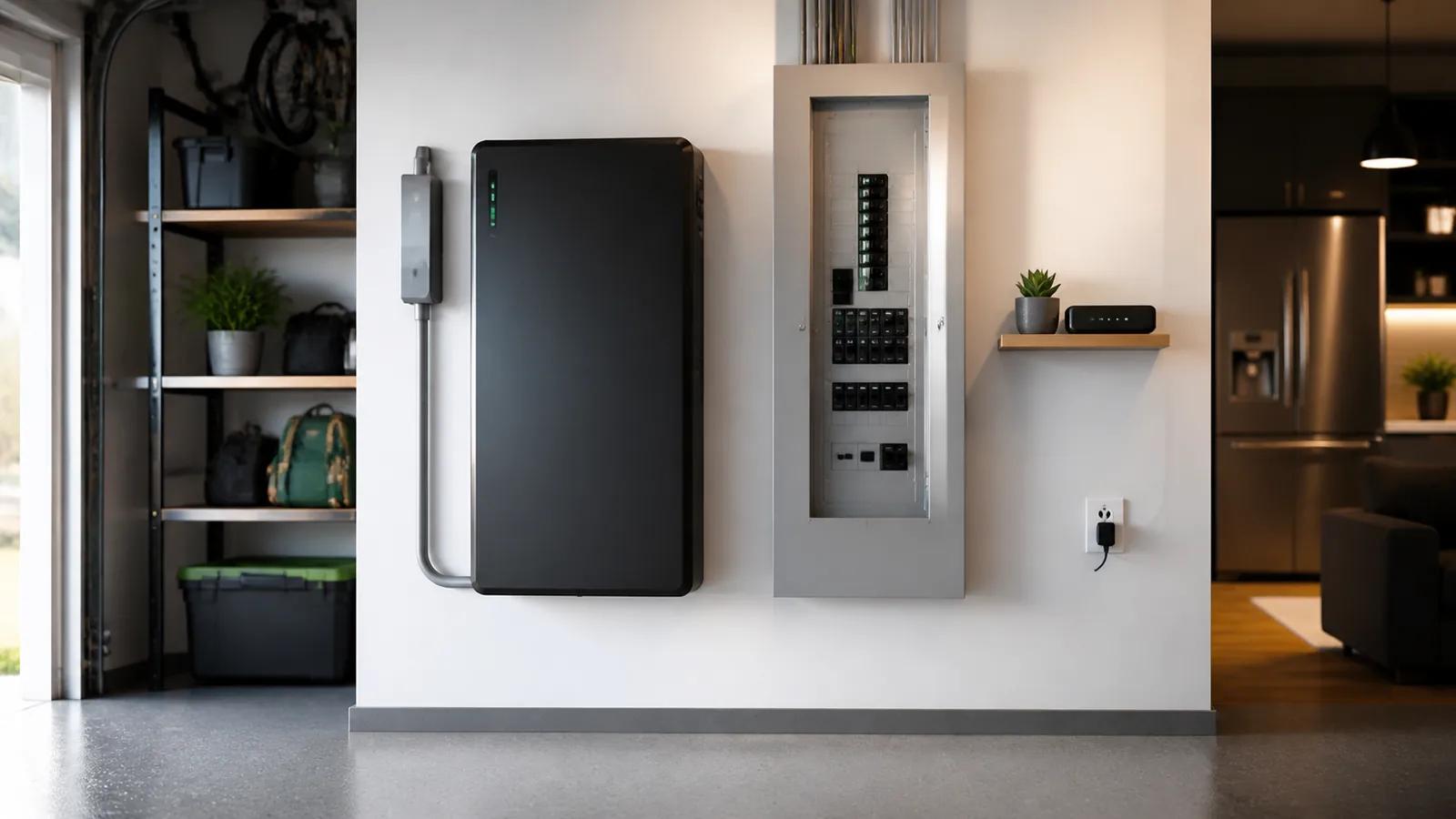
Battery sizing starts with a practical question: what needs to keep running when the grid is down? A useful battery plan is built around critical loads, outage length, usable capacity, and inverter output.
List critical loads first
Do not begin with battery brand or headline capacity. Begin with loads. Refrigeration, lighting, internet, phone charging, medical equipment, garage access, and a few outlets are common essentials. Central air, electric heat, ovens, dryers, and EV charging are much larger decisions.
- Write down each load you want backed up.
- Estimate watts and daily runtime for each item.
- Separate essential loads from comfort loads.
- Decide whether backup is for overnight outages or multi-day resilience.
Usable capacity and power output
A battery's nameplate capacity is not always the same as usable capacity. Depth-of-discharge limits, reserve settings, and system design affect what you can actually use. Power output is separate: it determines what can run at the same time.
Solar recharge during outages
Some solar and battery systems can recharge during a grid outage, while others depend on configuration and equipment. Ask the installer how the system behaves in bad weather, during multiple outage days, and when battery charge is low.
Use the Battery Sizer to test critical loads and outage duration before comparing battery packages.
Practical next steps for homeowners
Create two backup lists before requesting a battery quote. The first list is critical loads. The second list is comfort loads. This helps the installer design a system that protects what matters without quietly turning the battery quote into a whole-home luxury package.
Example critical load group
- Refrigerator or freezer for food storage.
- Internet router and phone charging for communication.
- A few LED lighting circuits and essential outlets.
- Medical equipment, sump pump, or well pump if they apply to the home.
Quote terms to understand
Ask for usable kWh, continuous output, surge output, backed-up circuits, expected runtime, and whether solar can recharge the battery during an outage. These numbers matter more than the battery brand name on its own.
Test the critical load list in the Battery Sizer before approving the final backup panel design.
Where to go next
For the full planning path, use the Solar Battery Buying Guide as the main hub, then run the matching SolarPel calculator with your own usage, cost, and roof assumptions.
Article FAQ
Common questions
Can one battery run my whole home?
Sometimes, but whole-home backup often needs more capacity, more output power, and careful load management.
What is usable battery capacity?
Usable capacity is the amount of stored energy available after system limits, reserves, and battery health settings are considered.
Should I back up air conditioning?
Only if the battery and inverter are designed for it. Air conditioning can quickly increase cost and system complexity.
Written by
Firoz Ahmed
SolarPel Editorial Lead
Firoz Ahmed writes SolarPel's solar calculators, planning guides, and technical explainers with a focus on practical home-energy decisions, transparent assumptions, and source-backed solar research.